Help
Help


Project Info:
Level: All Levels
Estimated time: Improve Your Technique
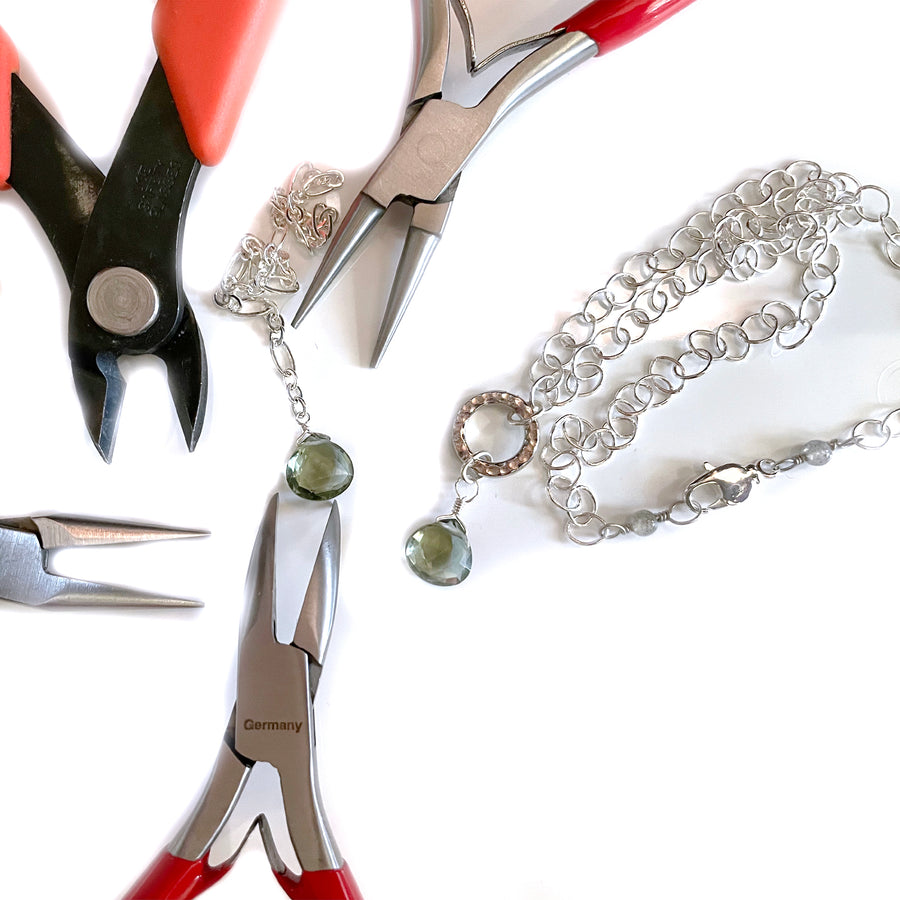
Learning to wire-wrap a briolette will open so many new doors in your world of jewelry design. It is a great way to add a drop to a chain or component. It is a bit technical but with practice, it gets easier. Thanks to the talented, Nicole Anderson, we have a video in which she demonstrates each phase of the process. Take your time, watch the video and be willing to make lots of mistakes. We promise, it does get easier and it's worth the effort. The briolettes wire-wrapped in the photograph are from Sweet Dreams, by Janice Parsons.
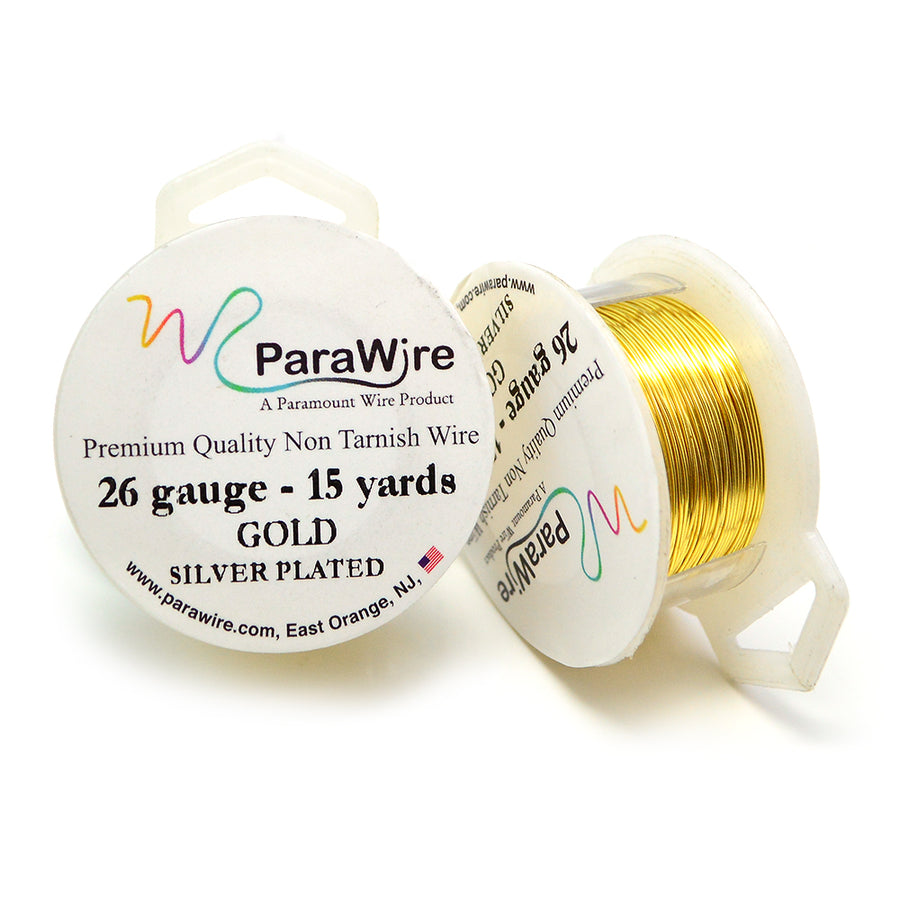
Test fit wire in all of the briolettes you intend on using. Gemstones are not drilled the same, and wire may fit a few but not all. If this is the case, use the next gauge up (smaller size wire) until you find one that fits most of your beads. Do not exceed 28 gauge wire.
Test fit wire in all of the briolettes you intend on using. Gemstones are not drilled the same, and wire may fit a few but not all. If this is the case, use the next gauge up (smaller size wire) until you find one that fits most of your beads. Do not exceed 28 gauge wire.